Summary
Context is important to consider when designing interactives; it includes context for use and context of use.
Process
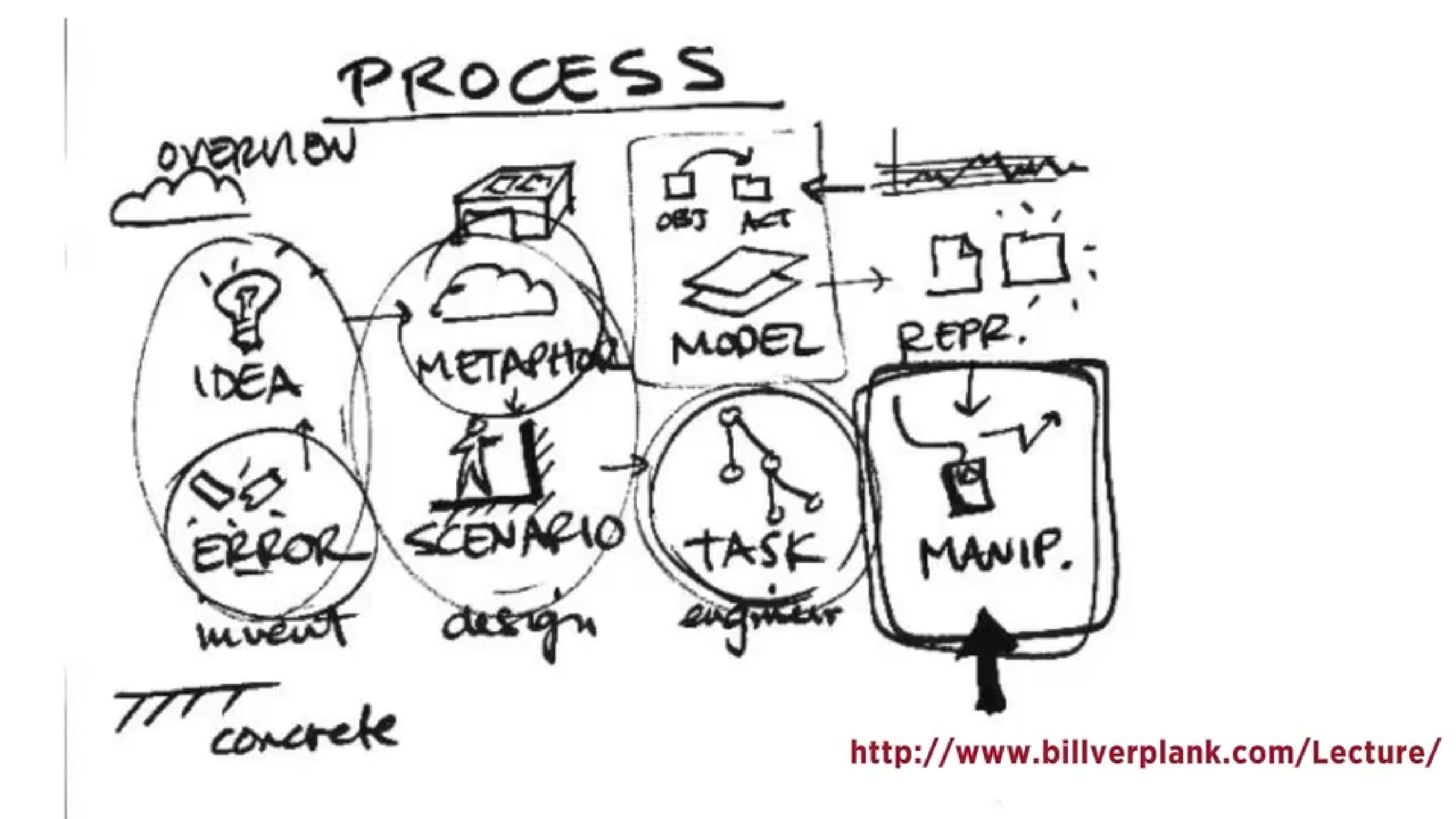
Bill Verplank identifies that there are eight phases in the design process. The invent stage includes error, idea, metaphor, scenario development, task analysis and modelling, representation then interactive manipulation.
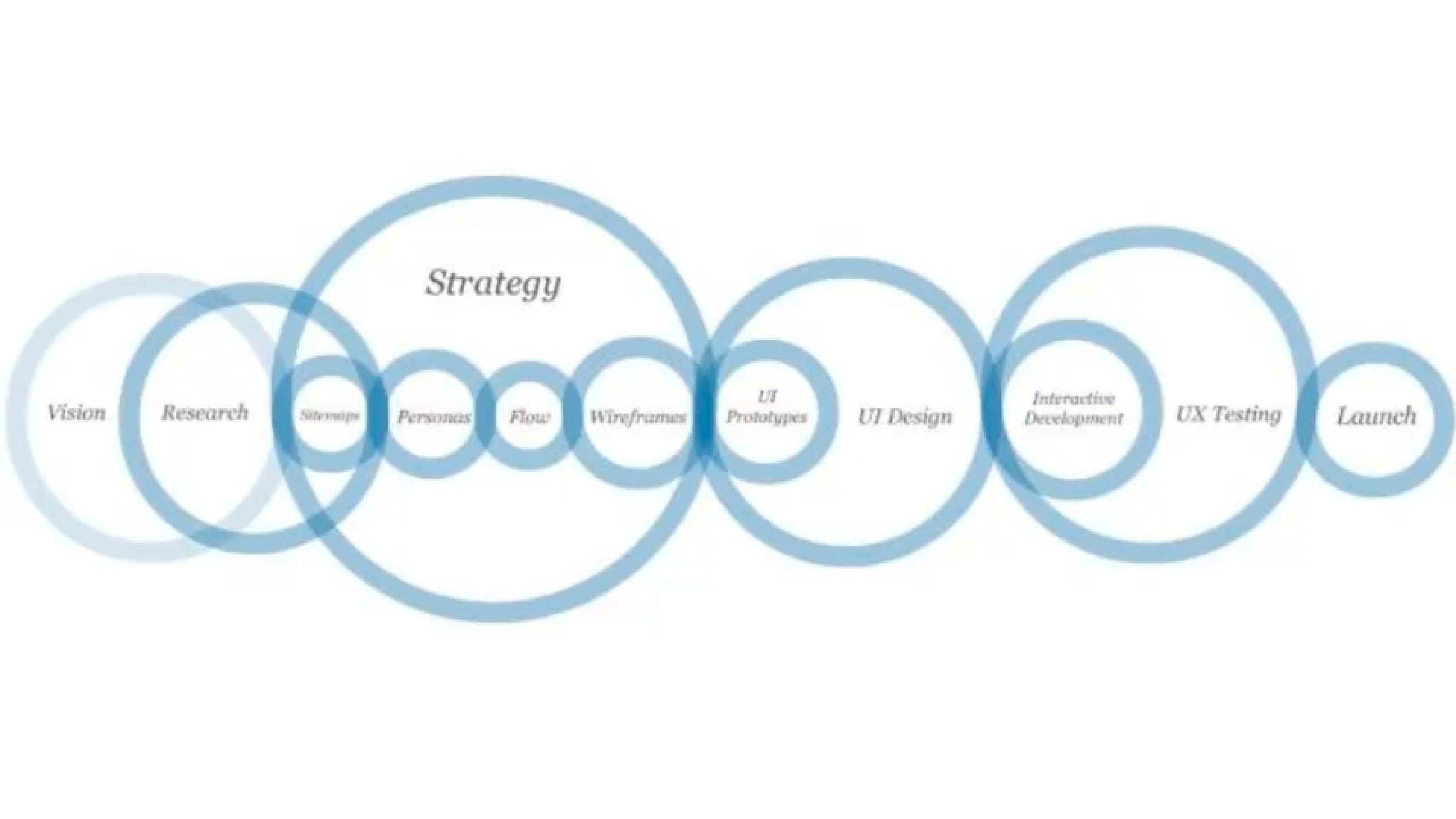
Process/ideas start very low tech and are part of the research stage. Early visualisations help to identify where the idea is going, potential directions, missing information and next steps. It helps to develop some idea of what the problem is that is being solved and goals that are trying to be achieved.
During the process it is important to identify the target audience by creating personas of the real life people that use the product/device/interface to understand how to design for them. Surveys and focus groups can be used to obtain information about the target audience.
Context
It is important to understand what people are trying to do, how they may try to do it, what gets in the way or helps and where they might be doing it, before designing and are used to define the situation, people and their needs.
Questions that needs to be answered before designing: what is the situation?, who will be using the device/interface?, does the experience need to be simple? and what are the person’s needs and goals?
Reflection
I think the most important aspect of this lecture pod was understanding the importance of process and context. It showcased how researching, sketching and understanding the target audience, and how to design for them can affect the design process. It was very insightful for me as it made me understand how important it is to reflect and understand the problem and it’s needs before trying to start designing, as it gives you a clearer idea of how to design.
 Annabel Crawford's Blog